BLOGMAS 2025: WWII Aircraft Rip Off Ragebait
I found out about this advent calendar of different vehicles through a fellow history enthusiast who told me you can buy these advent calendars off Amazon; at first I thought these were toys or miniature models, or even parts for a modelling kit. There was a choice of planes, tanks or ships, which I had chosen planes as it was the first one I saw, and perhaps it will be tanks or ships next year! It turns out that these 'figures' are actually 2D flat resin hanging decorations for the Christmas tree.
In order to ensure this is NOT a waste of creativity; I had the idea that I will learn a little about each plane from the advent calendar, and contribute it to this very blog, hence 'BLOGMAS'.
What Have We Got?
After waiting a week for this said advent calendar to be delivered, it was delivered on the 5th December, which is why I am introducing you to the first 5 types of international WWII aircraft.
While doing some research on the planes that don't look familiar to me (with one having a title that may have been smudged when printed, I could not read what it said), I discovered something rather shocking; Day 4, which not just similarly spelt, but also with inaccurate spelling was what seemed to be a single-engine fighter, or perhaps a fighter-bomber aircraft, was according to Google Visual Search, a De Havilland Mosquito.
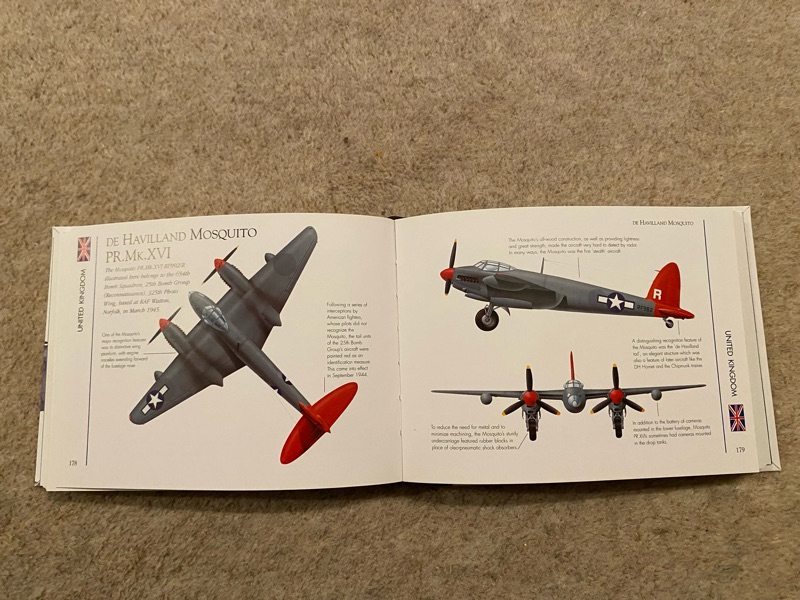
WRONG! 👎 (Skip to Day 4 for a full explanation).
- P-40B Warhawk 🇺🇸 - INACCURATE 👎
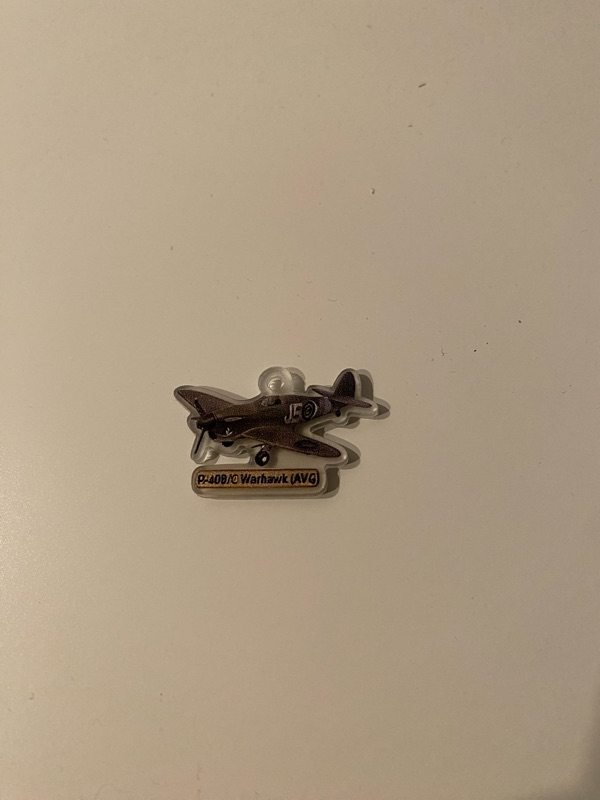 This is a meant to be a Curtiss P-40D Kittyhawk - single engine American fighter-bomber aircraft manufacturered by Curtiss-Wright. It also performed excellent service with the RAF, RAAF and the South AfricanAir force squadrons of the Desert Air Force, contributing toward the Allies' eventual victory.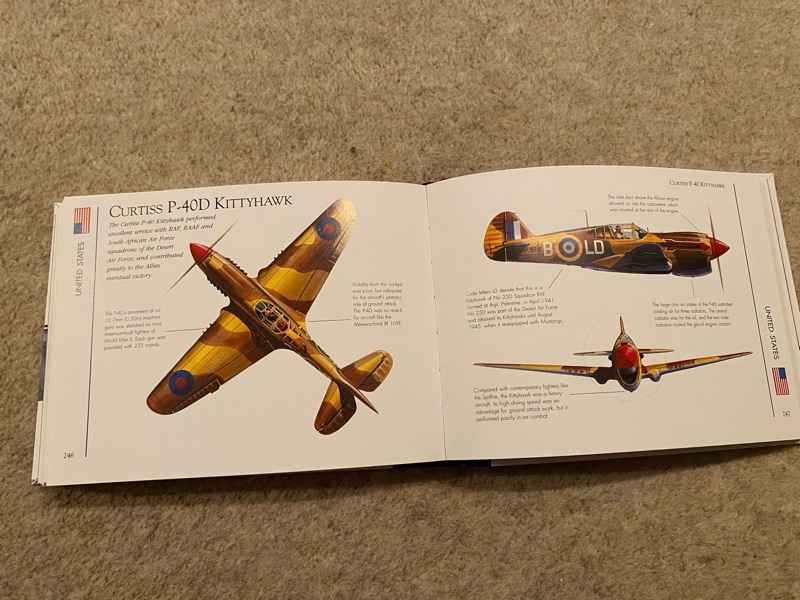
F4U-1D Corsair 🇺🇸 - Only the title is inaccurate, however, this particular plane (according to the book I will credit and give the link to below), is ACCURATE 👍.
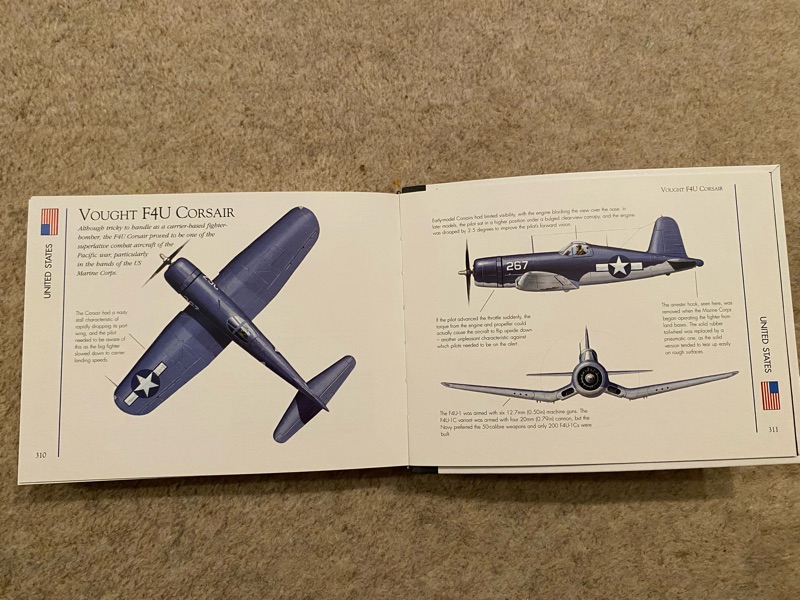
The Vought F4U Corsair - these warbirds were carrier-based (stationed on a naval aircraft carrier ship) fighter-bombers, particularly during the Pacific War and popular with the US Marine Corps. They are bigger than average fighter planes, that in order to fit many into a ship's hangar, the wings would be folded up. In flight, when coming into land on a carrier, the pilot would need to slow down the speed, in order to land on what would appear from above to be a postage stamp in the middle of the sea.
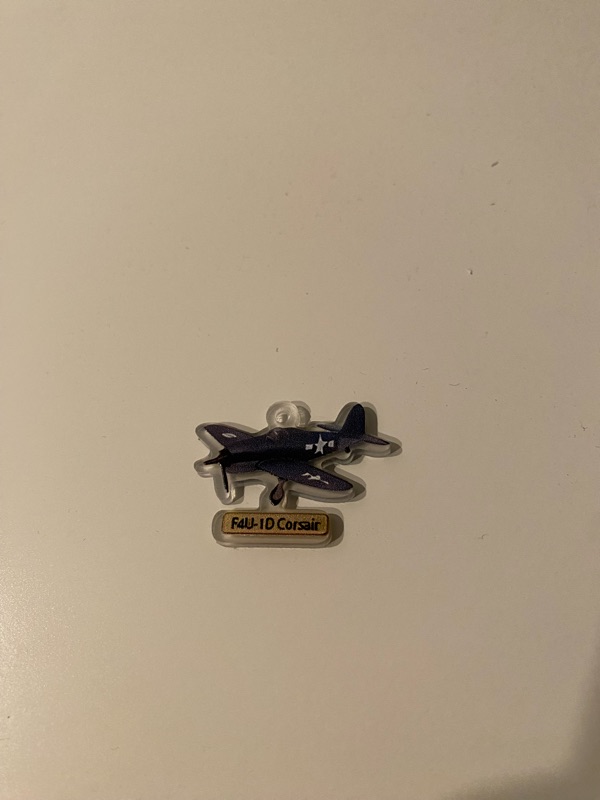
Corsairs even made it into the Royal Navy's Fleet Air Arm; there is a KD 431 Corsair on display at the Fleet Air Arm Museum in Yeovilton, Somerset.
Yakovlev Yak-9
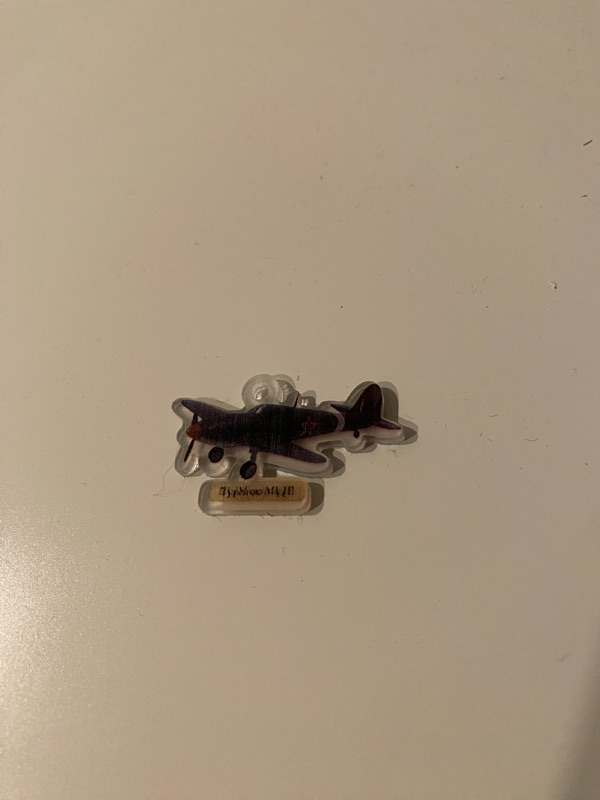
According to Google Visual Search, it states this is a Soviet (Russian) Yakovlev Yak 3; after checking in the book, the markings on this one match the Yak 1, so this Soviet plane is indeed ACCURATE 👍(although the markings aren't - mine has a white star rather than a red star). The red noses do match though!
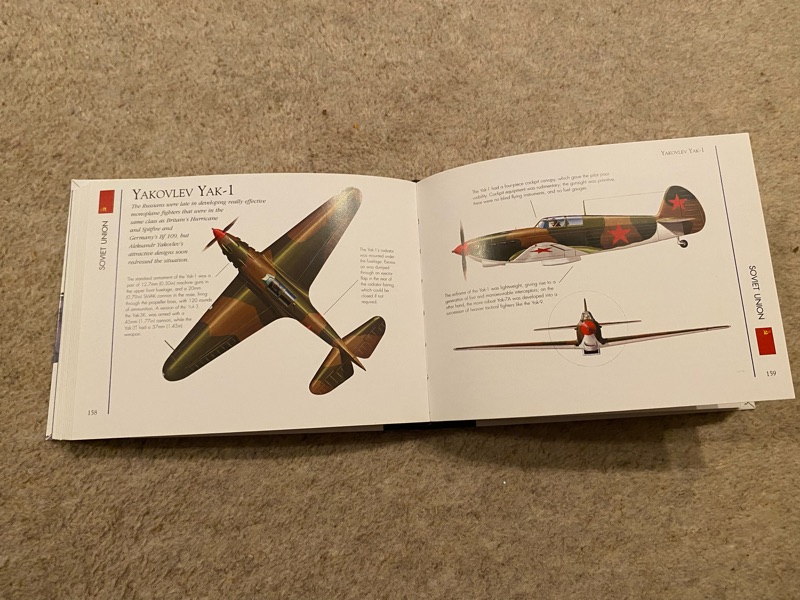
Very reminiscent of an RAF Spitfire or Hurricane or a Luftwaffe BF 109; the Russian developed really effective monoplane fighters. The Yak aircraft had a four-piece cockpit canopy, which gave plots poor visibility. They were lightweight planes, only weighing up to 2.38 tonnes.
Mossuite FB VI (night) 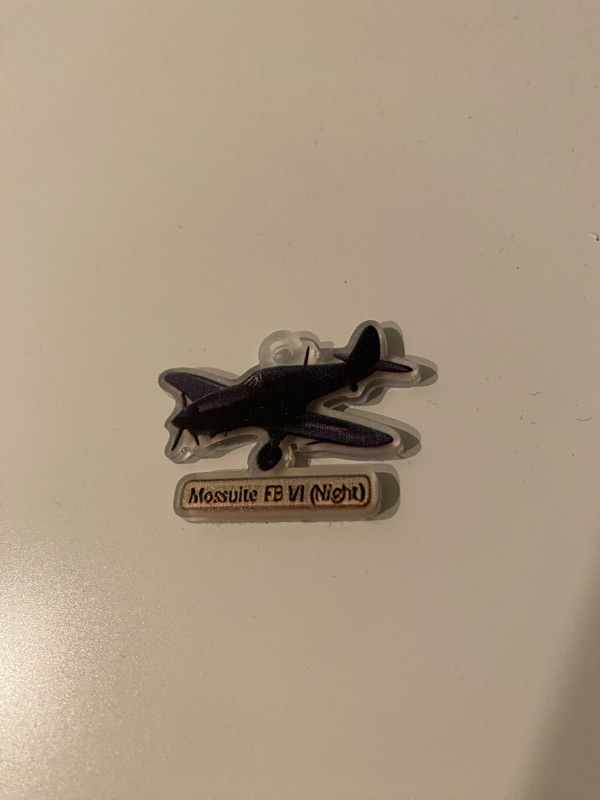 INACCURATE 👎 - This just looks like a spitfire painted black! A De Havilland Mosquito is a twin-engine fighter-bomber aircraft made of wood, which gave it its namesake "the wooden wonder". It was introduced too late into the war in early 1945 and hardly saw any action. It had two-stage supercharged engines for improved performance at altitude, but was otherwise similar to the B.Mk.XVI, used by the RAF’s Light Night Striking Force. Its bomb load had the capacity for a 4,000lb 'Cookie' blast bomb for flying to Berlin, dropping the bomb and returning. You can see a DH Mosquito at the De Havilland Aircraft Museum in St Albans, Hertfordshire.
INACCURATE 👎 - This just looks like a spitfire painted black! A De Havilland Mosquito is a twin-engine fighter-bomber aircraft made of wood, which gave it its namesake "the wooden wonder". It was introduced too late into the war in early 1945 and hardly saw any action. It had two-stage supercharged engines for improved performance at altitude, but was otherwise similar to the B.Mk.XVI, used by the RAF’s Light Night Striking Force. Its bomb load had the capacity for a 4,000lb 'Cookie' blast bomb for flying to Berlin, dropping the bomb and returning. You can see a DH Mosquito at the De Havilland Aircraft Museum in St Albans, Hertfordshire. Ju-87B
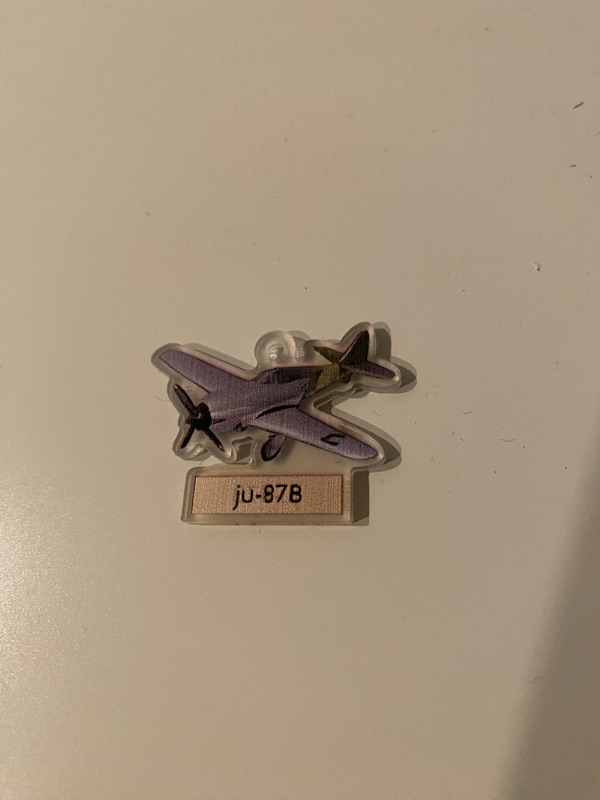
After checking this up in the book and looking at my own one, my instant thought was... INACCURATE 👎. This is too reminiscent of a single-engine fighter; specifically a silver P.51 Mustang American aircraft.
In fact, and as stated, this is a German Junkers Ju 88; a Luftwaffe bomber that could hold up to 500kg worth of explosives.
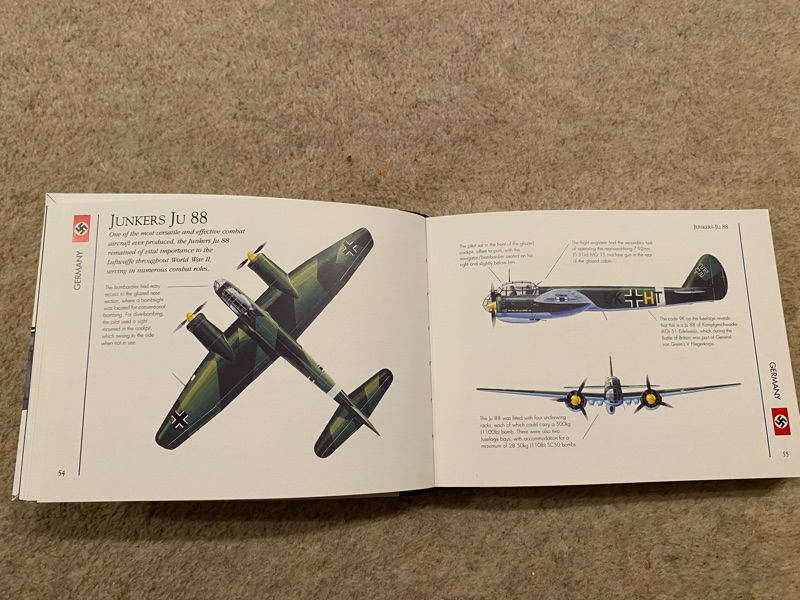
Credit: Aircraft of WW2 by Amber Books (link here)
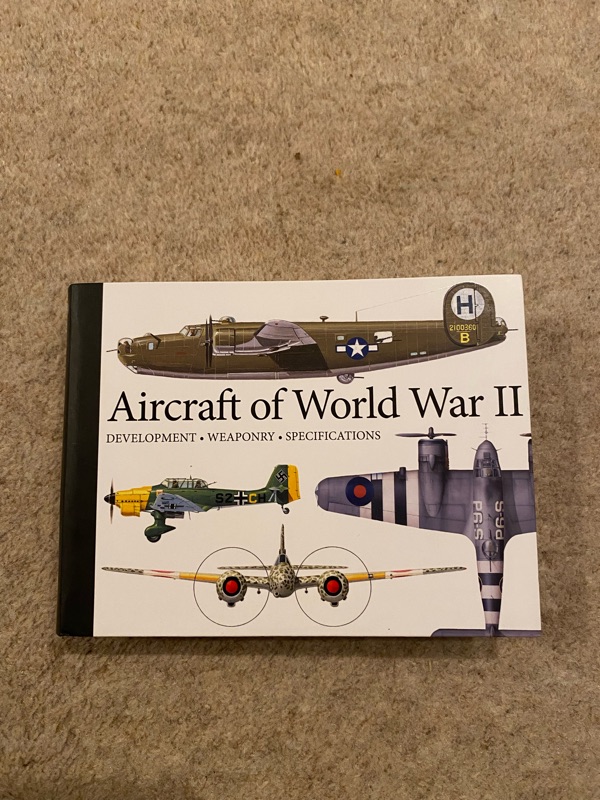
From this quite confusing learning curve, I left a review on Amazon challenging the inaccuracies of this advent calendar, which I am sure will send aviation and war historians raging!
Tune into my 'blogmas' on my Facebook and Instagram page: @hbtheheritagebuddy if you want see what other aircraft is hiding in my hangar of an advent calendar on my story (which will now be my ragebait for the next 19 days); there are many more coming soon... as well as introducing you to a certain character (which will be a completely different post)!


Comments
Post a Comment